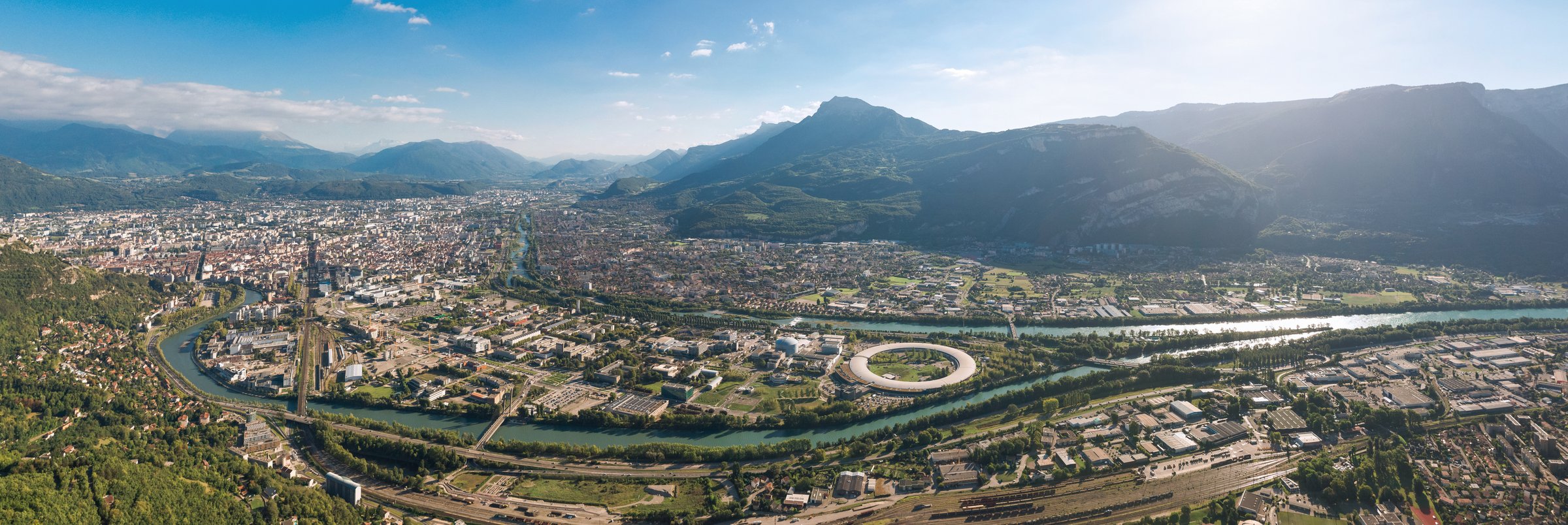
In Grenoble, the Synchrotron expansion project is part of an exceptional scientific site, where technological performance and architectural quality must coexist in perfect harmony. The project supports a world-class research facility—one of the few of its kind—used by the international scientific community.
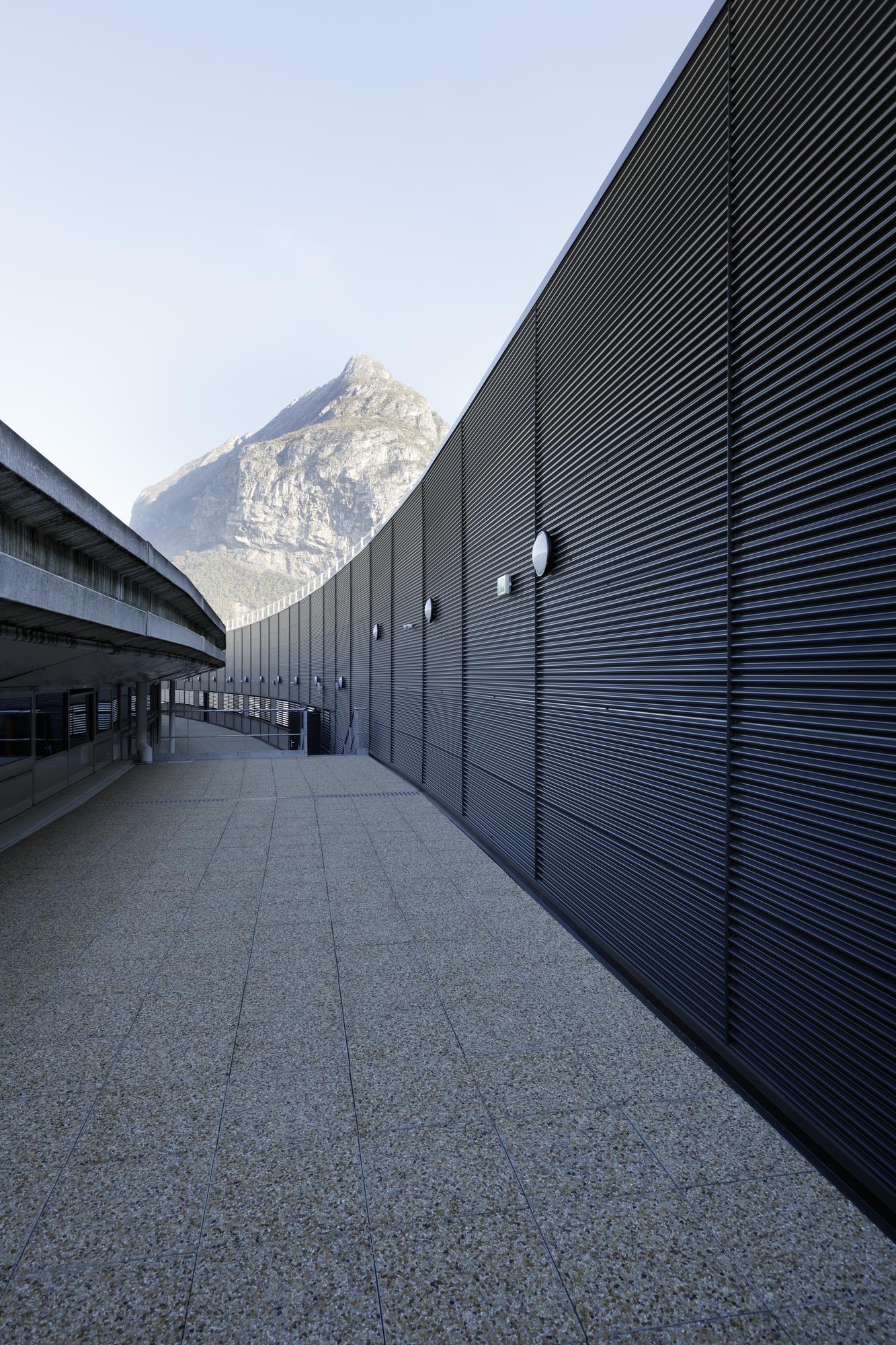
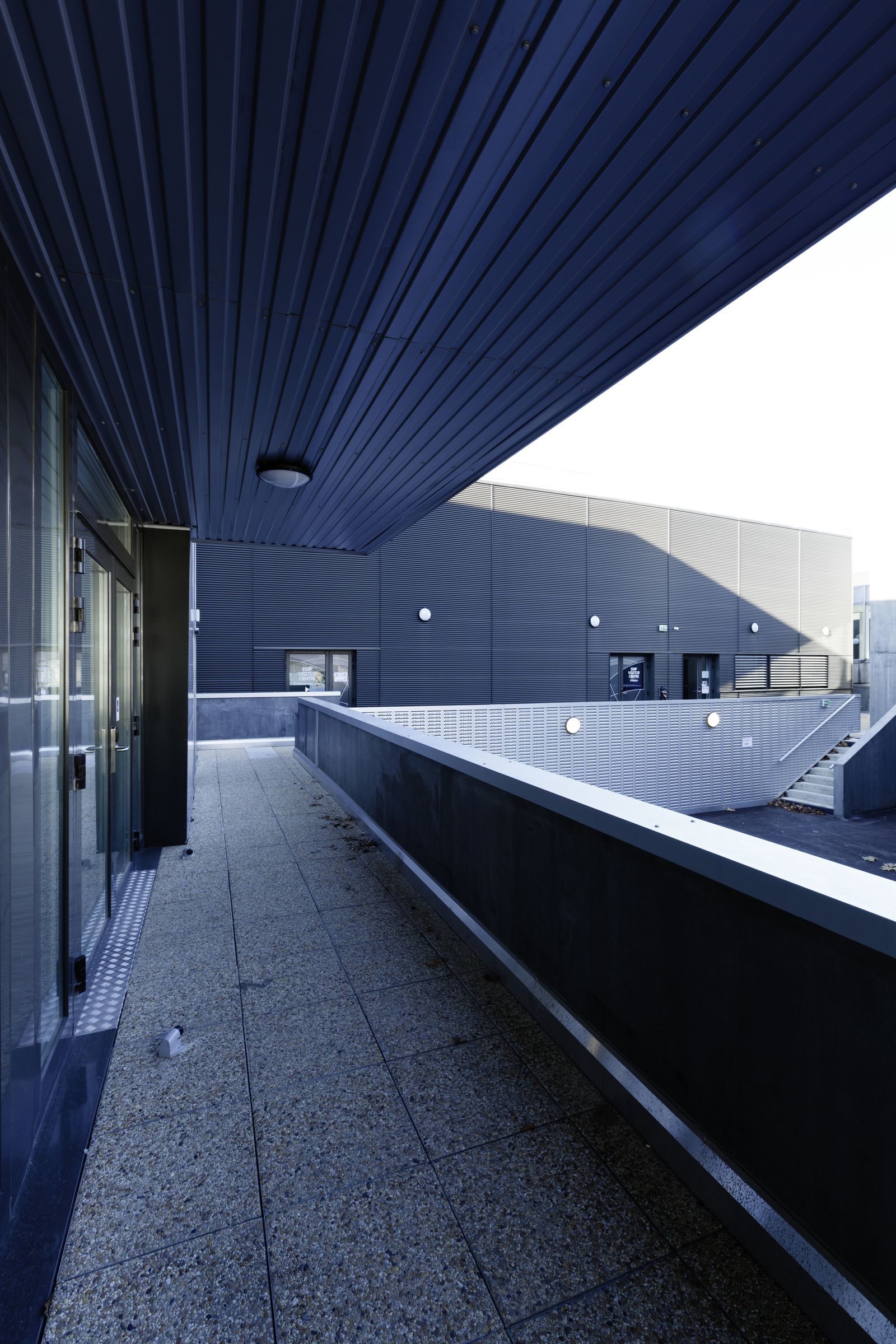
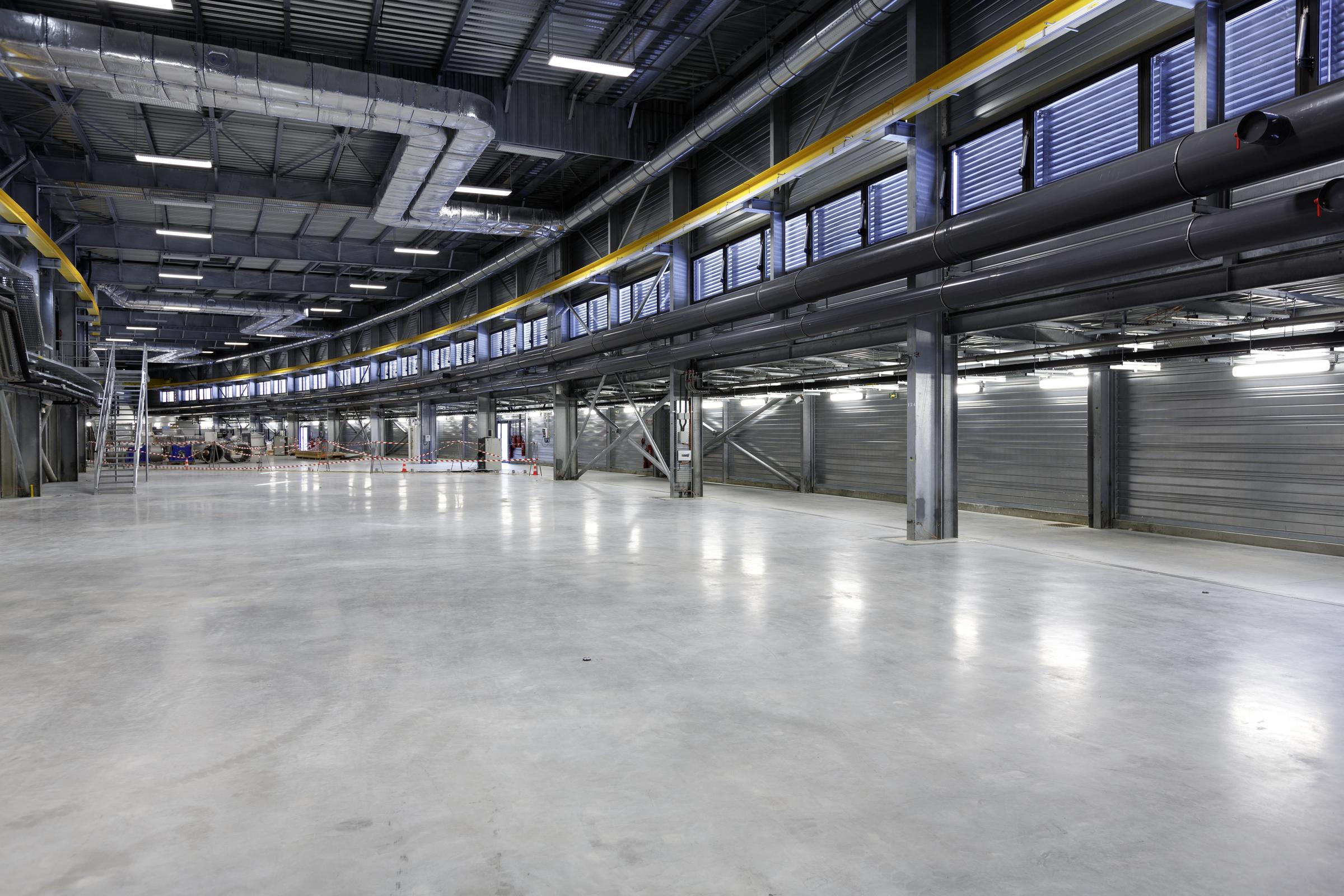
The project is based on a dual requirement. On the one hand, it meets the functional constraints of a high-precision instrument, ensuring clear functionality, efficient circulation, and comfort for researchers. On the other hand, it asserts a strong formal dimension, fully integrating the building into the broader landscape of Grenoble.
The composition retains the iconic geometry of the existing ring—a simple, immediately recognizable structure traversed by a main axis along which secondary volumes are organized. This clarity of principle constitutes the very identity of the site and guides the project’s development.
The architecture strives to preserve this clear and continuous reading, respecting the integrity of the original design while accommodating its extensions. The complex thus remains faithful to the facility’s founding logic, while improving its usability.
The “fifth façade” plays a special role in this context, due to the aerial views offered by the surrounding terrain. The building thus becomes as much a part of the landscape as it is a scientific structure, engaged in a constant dialogue with the Alpine massifs.
The project embodies an architecture of precision and restraint, where formal simplicity serves as the foundation for an exceptional scientific facility, perfectly integrated into its surroundings.